
Closing teeth gaps has become easier and faster with modern cosmetic dentistry, especially for individuals who want results without long orthodontic treatment. What are the alternatives to orthodontics for closing teeth gaps in Gurgaon or Delhi clinics? Many patients look for faster, minimally invasive options that enhance their smile with little to no discomfort. Clinics in Gurgaon and Delhi now offer advanced cosmetic solutions, and many people explore treatments through trusted dental centers such as The Dental Roots to achieve gap-free, natural-looking smiles.
Non-orthodontic alternatives have gained popularity for offering quicker results and aesthetic improvements. Common options available across leading clinics include:
Dental Bonding
A quick and economical solution where tooth-colored resin is applied to close small to moderate gaps.Painless procedure
Completed in a single sitting
Ideal for minor cosmetic corrections
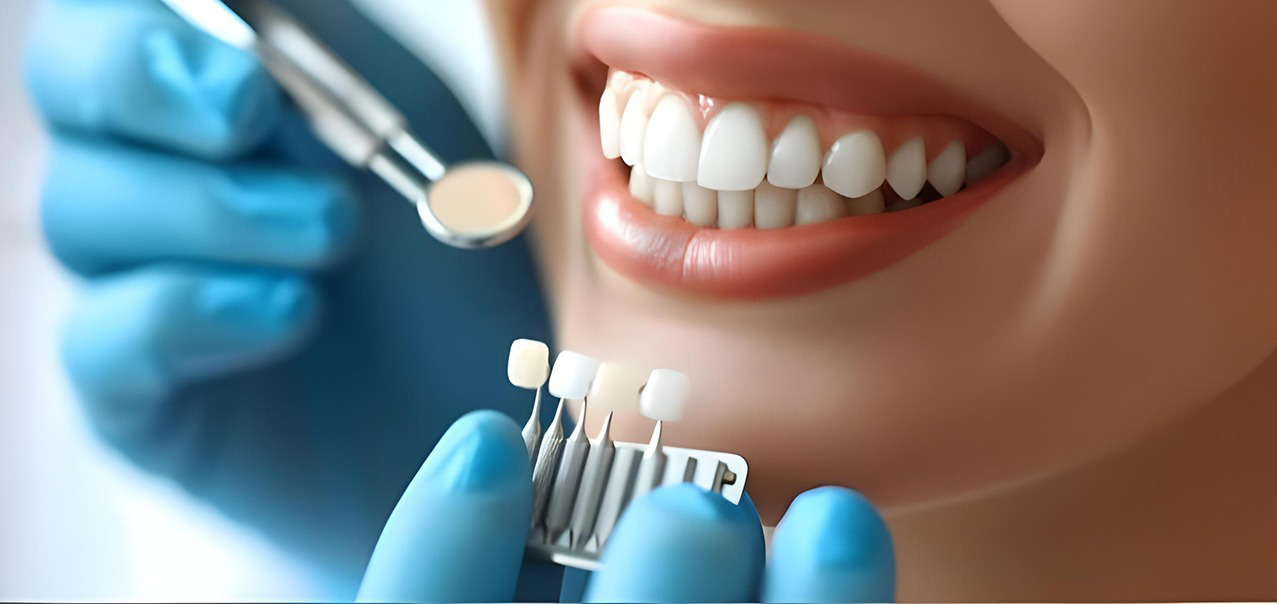
Porcelain Veneers
Thin, custom-made shells placed on the tooth surface to close gaps while improving shape and color.Highly durable and stain-resistant
Provides a complete smile makeover
Suitable for moderate to larger gaps
Composite Veneers
A more affordable alternative to porcelain veneers while still offering aesthetic improvement.Completed in one or two sessions
Natural finish
Good for mild spacing issues
Many Gurgaon and Delhi clinics also offer aligner-based solutions for those who want minor tooth movement without full orthodontic treatment. Options include:
Clear Aligners (Minor Correction Plans)
Designed for targeted gap closure without full orthodontic treatment.Virtually invisible
Comfortable and removable
Works best for smaller gaps
Patients seeking long-term aesthetic improvement also explore restorative options such as:
Dental Crowns
Used when spacing exists along with structural tooth issues.Restores function and aesthetics
Strong, durable, and custom-designed
Gum Contouring or Recontouring
Helpful when gaps appear larger due to gum shape rather than tooth size.Reshapes uneven gum lines
Enhances tooth proportion
Results in a more balanced smile
Some clinics provide smile design services, combining multiple treatments to create a cohesive transformation. These may include:
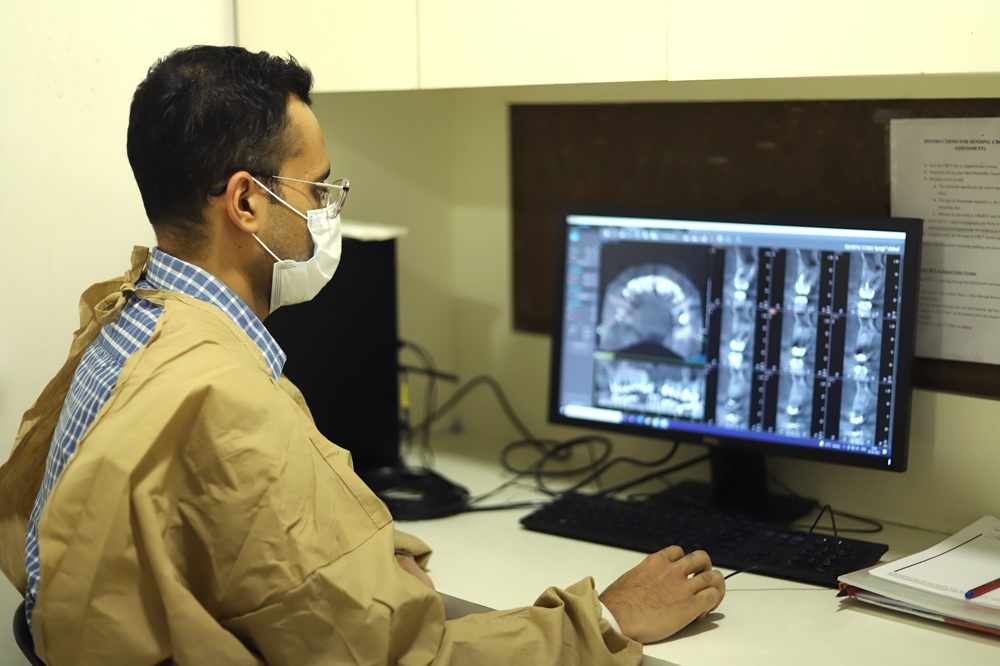
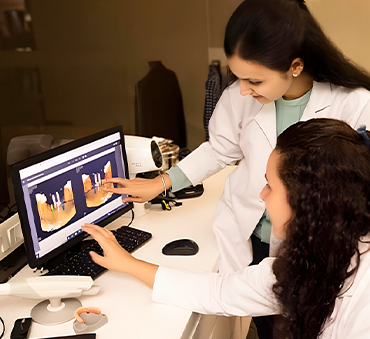
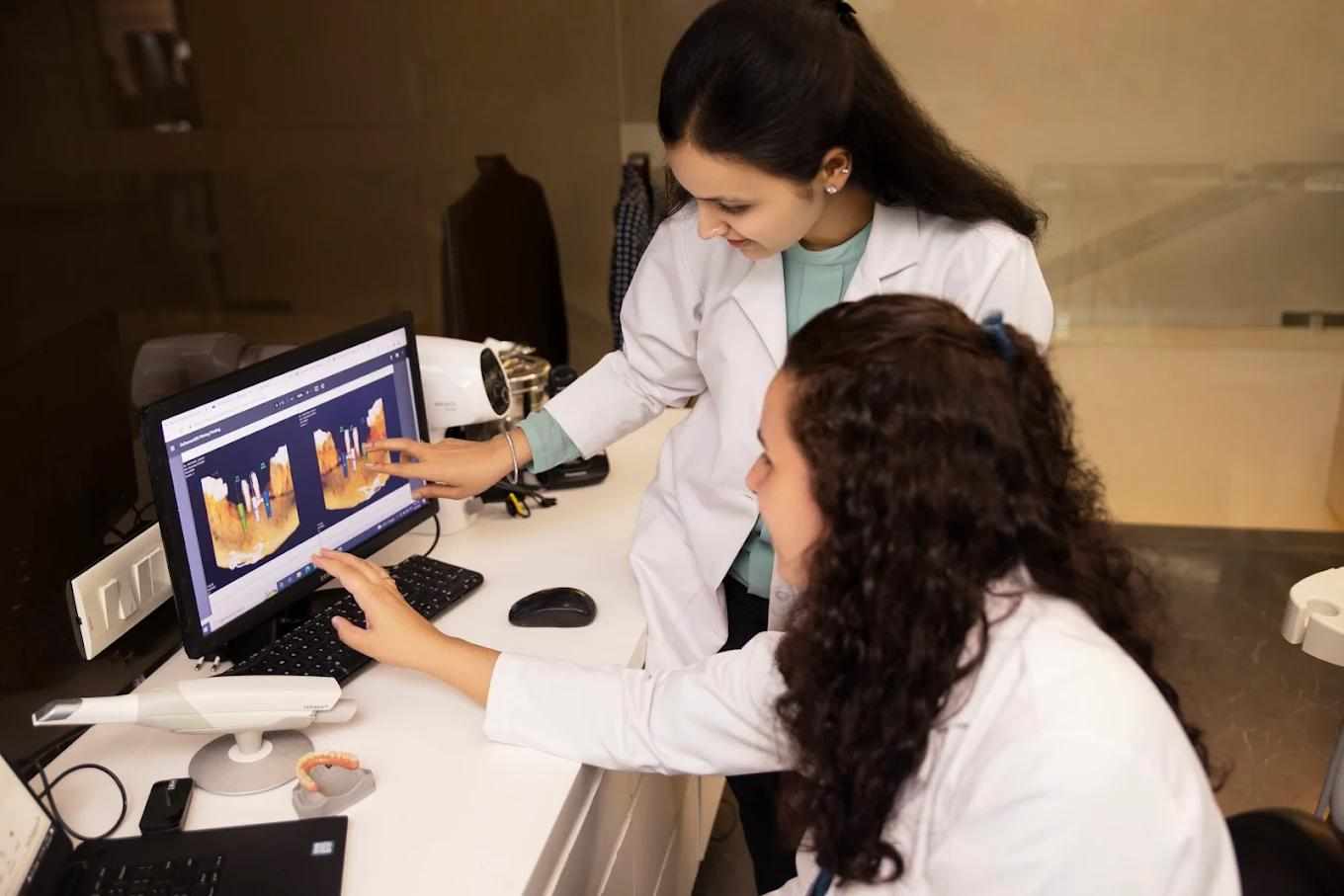
Digital scans and simulations
Professional whitening
Veneers or bonding combinations
Structured treatment timelines
Minimally invasive cosmetic dentistry has become a preferred choice because it offers:
Faster results compared to braces
No long-term orthodontic commitment
Natural and aesthetic smile improvement
Custom-designed treatment plans
Budget-friendly options depending on the procedure
The gap closure treatment chosen depends on the size of the gap, tooth condition, aesthetic goals, and long-term expectations. Gurgaon and Delhi clinics generally perform a detailed examination before recommending the most suitable approach. Modern dental technology ensures that these treatments are safe, predictable, and long-lasting.
Conclusion
Patients looking for quick, aesthetic, and minimally invasive alternatives to orthodontics have several effective options available across Gurgaon and Delhi clinics. From bonding and veneers to minor aligners and smile design, these treatments offer natural-looking results without the long process of traditional braces. Many individuals seeking expert cosmetic solutions prefer consulting specialists at The Dental Roots, known for delivering advanced, patient-focused dental care.
Frequently Asked Questions (FAQs)
1. Which treatment is best for closing small gaps quickly?
Dental bonding is usually the fastest and most economical choice for small gaps.
2. Are veneers a permanent solution for tooth gaps?
Yes, porcelain veneers offer long-term durability and aesthetic improvement.
3. Do clear aligners work for all types of gaps?
Aligners work best for minor spacing issues; larger gaps may need veneers or bonding.
4. Is gap closure painful?
Most procedures are painless and minimally invasive.
5. How long do cosmetic gap closure treatments last?
With good oral care, veneers and crowns can last 10–15 years or more, while bonding lasts several years.




Write a comment ...